







Preparing your Garden for Autumn
Autumn brings cooler temperatures and more consistent rainfall than summer, making it an ideal time to give your plants the attention they need before winter sets in. It’s also a good time to take advantage of the warm soil and cooler air to establish veggies, natives, and spring bulbs.
Key autumn gardening tasks
Plant autumn veggies
Autumn is an ideal time to plant cool-season veggies, as the weather is mild and the soil is still warm. This gives your plants enough time to grow before the cold winter temperatures set in. Plant broccoli, cauliflower, garlic, kale, carrots, and cabbage. This can, of course, depend on where you live in Australia, so check your local climate zone to find out what will grow best. Here is a good one – Vegie Guide Zones.
Planting
Autumn is the ideal time to plant trees, as it gives them plenty of time to settle before the harsher summer months arrive. The cool weather also promotes root growth, helping trees to establish themselves.
Autumn is ideal for planting native tube stock like Banksias and Grevilleas, as well as camellias and spring-flowering bulbs, or even citrus trees such as lemons and oranges.
If you plant spring bulbs in autumn, choose from tulips, daffodils, and hyacinths, and plant them in well-drained soil with a little fertiliser to support their growth.
Mulching
Mulching in autumn helps soils to retain moisture and provides insulation during the colder months. It’s a great way to protect plant roots from frost and keep the soil healthy. At the beginning of autumn, apply mulch (sugar cane, bark, or straw) in a 5-7cm layer around your plants.
Pruning
Pruning in autumn encourages healthy growth for the following spring and helps plants shed dead or damaged branches to allow new, strong growth to emerge. The cooler, calmer weather means there’s less risk of heat stress during this process. Simply trim away dead or damaged branches from trees and shrubs. Prune roses lightly to encourage a final bloom. Give hedges a light trim to tidy them up. Be cautious not to prune too late in the season, as this can expose plants to frost damage.
Lawn Care
Aerating your lawn in autumn helps improve soil drainage, reduce compaction, increase oxygen flow to plant roots and repair any summer damage. Simply use an aeration machine, aeration shoes, or a garden fork to create small holes in the soil to allow for better air and water flow.

Fertilise
Autumn is the perfect time to fertilise your garden because the soil is still warm from summer, and plants are gearing up for their winter dormancy. Adding fertiliser now helps plants build strong roots before they rest during the colder months. Look for a specific autumn fertiliser that’s slow release to support root growth on your lawns. Feed soil with compost or aged manure to prepare for new plantings. Try to fertilise early in the season, as waiting until the cooler temperatures at the end can slow down the uptake of nutrients. Also remember to fertilise citrus trees, whether in pots or garden beds, and water well.
Water your plants
Although autumn brings cooler temperatures, plants still need regular watering, especially early in the season when it’s dry outside. Continue watering your garden as normal and check your plants regularly to ensure they’re receiving enough water without being overwatered.
Rake and recycle leaves
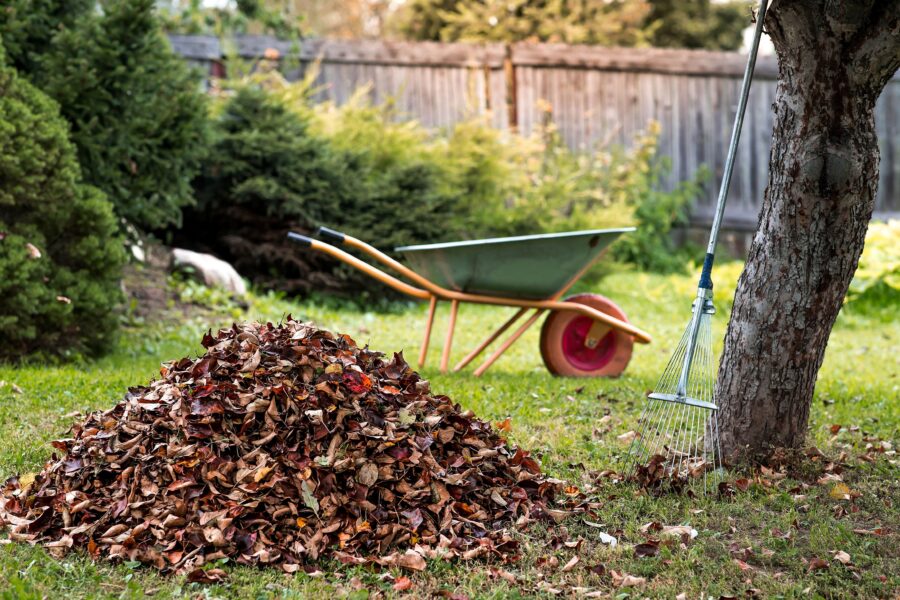
With an abundance of leaves falling in Autumn, you’ll probably want to keep on top of tidying them! Use them to your garden’s advantage, as leaves make excellent organic mulch and compost, adding valuable nutrients to the soil. Alternatively put leaves into jumbo-sized garbage bags (with a few holes poked through). Set them aside and let them rot down for a few months into leaf mould, then use it as a mulch or soil conditioner.
Pest Control
Watch for aphids on new growth and scale on citrus trees. Treat with horticultural oil.
Interested in similar articles? Why not check these out:
The benefits of more time outdoors
It’s never too late to benefit from being more active
Sources: