






Building Stronger Connections with Family and Friends
Here’s something worth knowing: having strong social connections doesn’t just make life more enjoyable — it could actually help you live longer.
Research from the National Library of Medicine, states that having strong social bonds increases the chances of survival by 50% compared to those who are socially isolated. That’s not a small number. And yet, according to the Australian Institute of Health and Welfare, around 1 in 3 Australians report feeling moderately or severely lonely.
The good news? Connection is a skill — and it can be strengthened at any age.
Why Staying Connected Matters So Much
It’s not just about having someone to chat to over a cuppa. Loneliness triggers a chronic stress response in the body — raising cortisol levels, increasing inflammation, and weakening the immune system over time. Prolonged isolation is linked to heart disease, cognitive decline, and depression.
On the flip side, staying socially active keeps the brain sharp, lifts mood, encourages healthy habits, and gives a real sense of purpose and belonging.
Simply put: connection is as important to your health as eating well or exercising.
Nurture the Relationships You Already Have
The most powerful connections are often the ones right in front of us. They just need a little tending.
With family:
- Make regular phone or video calls a habit — even a 10-minute catch-up can brighten a whole day.
- Share everyday moments: show photos, ask for advice, tell a story. It helps people feel genuinely included in your life.
- If family lives far away, try a weekly video call on FaceTime, WhatsApp, or Zoom. Many libraries offer free digital literacy classes to help you get started.
With friends:
- Don’t wait for a special occasion. A simple “Want to grab a coffee?” goes a long way.
- Revive old friendships — a quick message or call to someone you’ve lost touch with is almost always warmly received.
- Make plans you’ll keep. A standing monthly lunch or weekly walk with a friend creates something to look forward to.
Remember: It’s the small, regular moments that build strong relationships — not the grand gestures.
Get Out and About in Your Community
Joining community life is one of the most effective ways to build new friendships and stay engaged. You don’t need to dive into a big group straight away — start small and comfortable.
Great places to start in Australia:
- Local library — book clubs, talks, events, and digital help sessions. Free, welcoming, and full of interesting people.
- RSL clubs — social events, bingo nights, games, lunches, and a strong sense of community.
- Community centres — council-run programs tailored for seniors. Contact your local council or visit their website for what’s on.
- Walking groups — fantastic for combining gentle exercise with socialising. The Heart Foundation’s Walking program connects you with free local walking groups across Australia.
- U3A (University of the Third Age) — low-cost courses and interest groups run by older adults, for older adults. From languages to painting to philosophy. Find your local branch at u3a.org.au.
Give Back Through Volunteering
Retirement can sometimes leave a gap where work used to sit. Volunteering fills that gap beautifully — it gives you purpose, routine, and connection all at once.
Op shops, libraries, animal shelters, hospitals, schools, and community gardens all welcome reliable volunteers. You don’t need special skills — just a willing heart.
Where to start: Go Volunteer Australia lets you search for volunteering opportunities near you by interest or location.

Embrace Technology
You don’t need to be a tech expert to use technology for connection. Even learning one or two tools can open a whole new world.
- Video calls (FaceTime, WhatsApp, Zoom) let you see family interstate or overseas face-to-face — a lovely alternative to just a phone call.
- Facebook groups connect you with people who share your hobbies and interests, from gardening to classic cars to armchair travel.
- Podcasts and online learning can spark interesting conversations and keep your mind buzzing.
Most local libraries offer free digital training sessions for older Australians. Ask at your branch — it’s worth it.
Try Something New
New activities naturally lead to new people. You don’t have to love something immediately — sometimes it takes a few tries to find your groove.
Some popular options for Australians over 50:
- Tai chi or gentle yoga — excellent for body and mind, and nearly always done in a group.
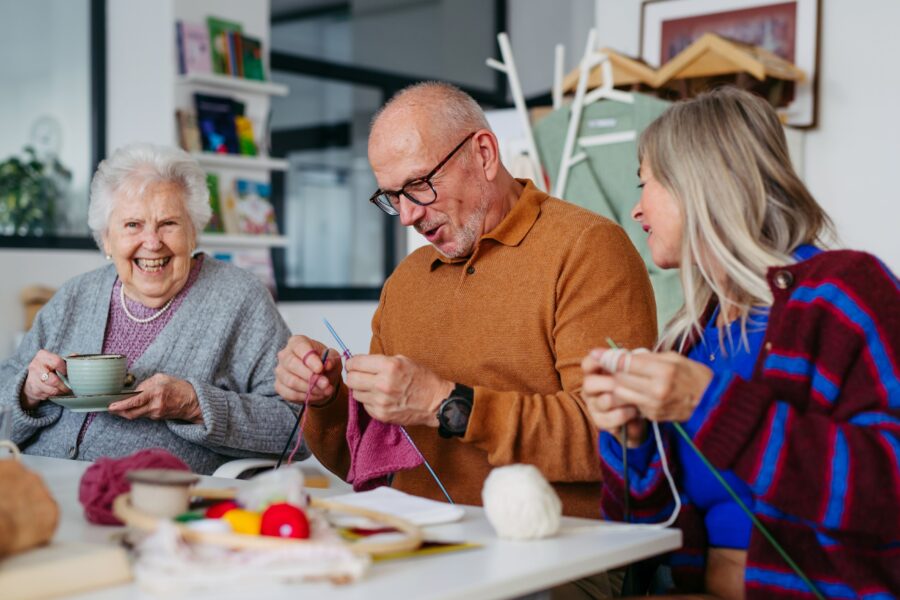
- Art and craft classes — local community centres and TAFEs run beginner-friendly sessions.
- Book clubs — many run through libraries or online. A great excuse to read and talk about what you’ve read.
- Community choirs — no experience needed. Singing in a group is well known for lifting mood and fostering connection.
- Cooking or gardening classes — practical, social, and deeply satisfying.
Don’t Be Too Hard on Yourself
Feeling disconnected doesn’t mean you’ve done something wrong. Life changes — retirement, loss, children moving away, health challenges — all shift the social landscape. It’s normal.
What matters is taking small steps forward.
If you’re feeling deeply lonely or isolated, please talk to your GP. They can connect you with support services, counselling, and community programs. You can also reach out to:
- The G’Day Line — 1300 920 552 (free, friendly chat with a volunteer, any time)
- FriendLine — 1800 4 CHATS (free, anonymous phone service for older Australians)
- Aged Care Volunteer Visitors Scheme (ACVVS) — a trained volunteer matched to you for regular visits and friendship, at no cost.
Connection doesn’t have to be complicated or grand. A phone call. A walk with a neighbour. Turning up to the same community morning tea two weeks in a row. These small, consistent acts of reaching out are what build a rich, connected life.
As the old saying goes — to have a good friend, be a good friend. And it’s never too late to start.
Interested in similar articles? Why not check these out: