






Beating Loneliness in Your 50s and Beyond
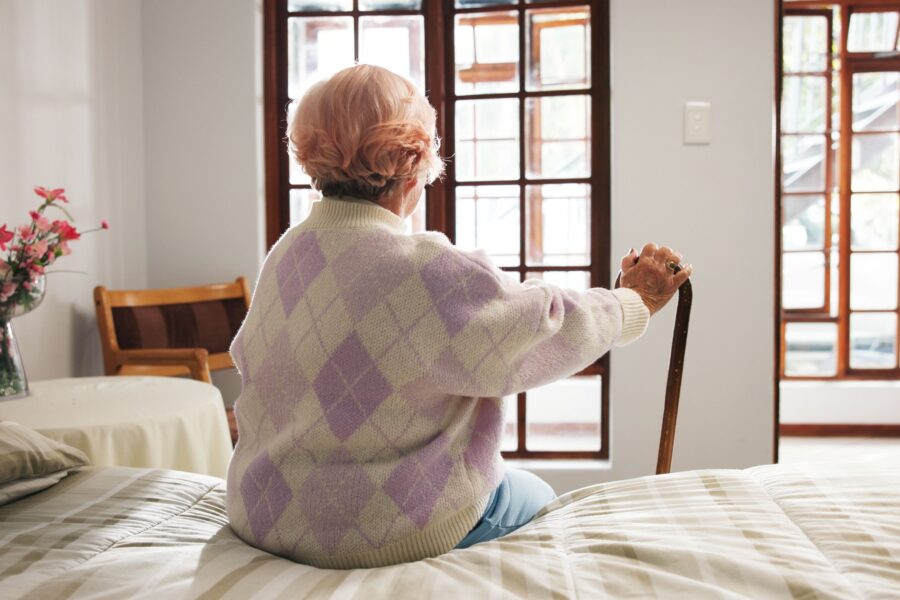
Feeling lonely is not a sign that something is wrong with you. It’s a signal, like hunger or thirst, telling you that you need more connection. And you’re far from alone in feeling it.
About one in four Australians (24%) say they often feel very lonely, up from 20% in 2022, according to Relationships Australia’s 2024 survey.
Our 50s, 60s and beyond bring big changes. The kids leave home. We retire. Friends move away. Partners fall ill or pass on. Any of these can quietly shrink our circle. The good news? Connection is something we can rebuild, one small step at a time.
Why it matters for your health
Loneliness isn’t just a feeling. Over time, it affects the body and mind. Mental health charity WayAhead notes its effect on physical health has been compared to smoking 15 cigarettes a day.
For older Australians, long-term loneliness is linked to memory decline and a higher risk of dementia, as psychologists told a 2024 NSW parliamentary inquiry (AAP). At the same inquiry, Council on the Ageing NSW shared its research: six in ten older people said they felt lonely. Loneliness stopped one in four from doing everyday tasks like shopping and cooking, and one in five from seeing a doctor.
That’s why reaching out is worth the effort. It’s as good for you as a walk or a healthy meal.
Eight simple ways to feel more connected
You don’t need to change your whole life. Pick one idea that sounds good and give it a go.
- Make one call a day. Ring an old mate, a sibling or a former workmate. A five-minute chat counts. Most people are delighted to hear from you.
- Join a shed. There are more than 1,200 Men’s, Women’s and Community Sheds across Australia, and the very first one started in Goolwa, South Australia, in 1993 (Australian Men’s Shed Association). It’s about mates, not just woodwork. Find a shed near you.
- Learn something new. U3A (University of the Third Age) runs low-cost classes for retirees, from history to Italian to tai chi. No exams, just learning for fun with like-minded people (U3A Network NSW).
- Volunteer. Helping others is one of the best cures for loneliness. Search one-off or regular roles near you on GoVolunteer, run by Volunteering Australia.
- Get to know your neighbours. A wave, a chat over the fence, or a plate of scones goes a long way. Relationships Australia’s Neighbours Every Day campaign found 85% of people knew their neighbours better after taking part.
- Move with others. Walking groups, lawn bowls, aqua aerobics or a dance class give you exercise and company in one hit. Ask at your local council or community centre.
- Get online with confidence. Video calls can bring the grandkids into your lounge room. Be Connected is a free government program that teaches Australians over 50 how to use phones, tablets and the internet safely.
- Say yes more often. When someone invites you out, try saying yes, even if you’re tired or unsure. Connection often starts with showing up.

Where to find a friendly voice
Sometimes the first step is simply talking to someone. These free Australian services are there to help.
| Service | What it offers | Contact |
| FriendLine | A casual, anonymous chat with a trained volunteer. Not a crisis line. Open 10am to 8pm, 7 days. | 1800 4 CHATS (1800 424 287) |
| COTA SA Visitors | A volunteer who visits older South Australians for regular company. Check with the Council on the Ageing in your state for similar programs. | cotasa.org.au |
| Beyond Blue | Support if you’re feeling low, worried or down. | 1300 22 4636 |
| Lifeline | 24-hour crisis support. | 13 11 14 |
Your GP is another great place to start. Let them know you’ve been feeling lonely. They can link you with local groups and support. In an emergency, always call 000.
Your first small step
Connection doesn’t happen all at once. It grows from small moments: a smile at the shops, a phone call, a cuppa with a neighbour.
So here’s a challenge for this week. Choose one idea from this list and do it in the next seven days. Then do it again next week.
And if you know someone who might be feeling a bit isolated, give them a call today. You might be the friendly voice they’ve been waiting for.
Interested in similar articles? Why not check these out:
Building Stronger Connections with Family and Friends
Volunteer and Make a Difference in Your Community