







Your Garden, Your Way: How to Start a Thriving Garden
There’s never been a better time to get your hands dirty. Whether you’ve got a big backyard, a small courtyard, or just a sunny balcony — a thriving garden is well within reach. And the rewards? Better than you might expect.
Research shows that gardening does wonders for older Australians. According to Respect Aged Care, spending time in the garden has been shown to ease symptoms of depression and anxiety, reduce feelings of loneliness, and give a real sense of purpose and accomplishment.
Here’s how to get started:
Start small
The biggest mistake new gardeners make is taking on too much too soon. Pick one small area — a couple of pots, a single raised bed, or a patch of ground no bigger than a dining table. Get that thriving first, then expand.
Best first plants for Australians:
- Cherry tomatoes — the undisputed champions for beginners. Love the sun, produce generously, and taste incredible fresh off the vine.
- Silverbeet — plant once, harvest for months. Brilliant in soups, stir-fries, and pies.
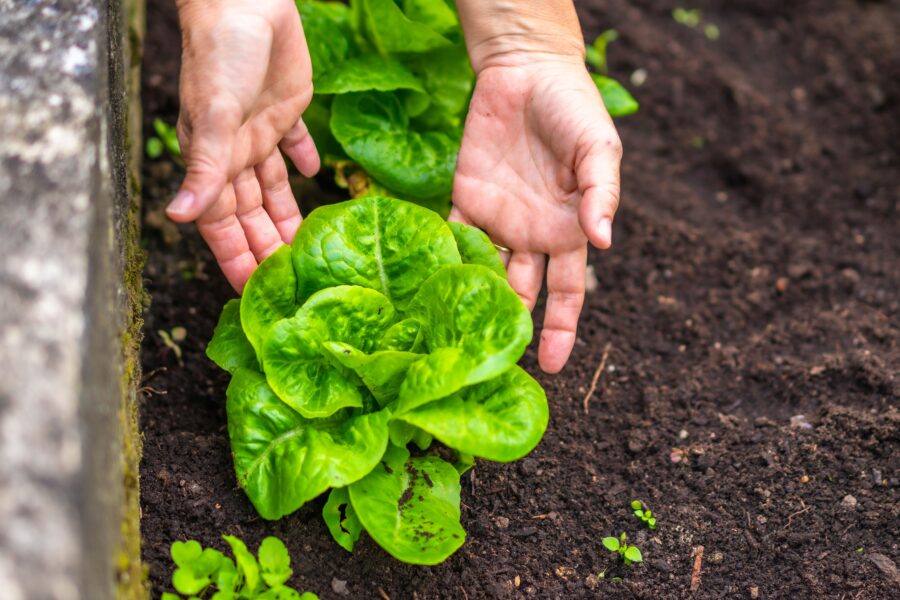
- Lettuce — quick to grow, works in pots, and you can harvest leaves as you need them.
- Herbs — mint (keep it in a pot or it’ll take over!), parsley, rosemary, and thyme are practically foolproof.
Tip: Skip the seed packets to start. Head to your local nursery and buy seedlings instead. It’s easier, faster, and far more satisfying.
Know your climate zone
Australia is big, and what grows well in Brisbane won’t always work in Hobart. Your local climate zone makes a big difference to what you plant and when.
A quick rule of thumb:
| Zone | Where | What grows well |
| Tropical/Subtropical | North QLD, coastal NSW/QLD | Tomatoes, sweet potato, chilli, okra, beans |
| Temperate | VIC, SA, southern WA, ACT | Broad beans, broccoli, carrots, leafy greens |
| Cool/Cold | TAS, alpine areas | Spinach, garlic, onions, peas, silverbeet |
Free resource: Gardenate.com — a free, Australian planting calendar that tells you exactly what to plant each month based on your region.
Get the soil right first
Good soil is everything. Don’t skip this step.
If you’re planting in the ground, mix through plenty of compost and a bag of aged manure before you plant anything. If you’re using pots or raised beds, buy a quality vegetable potting mix — don’t just use dirt from the yard.
The Botanic Gardens of Sydney recommend aiming for a slightly acidic pH of around 6.0–6.8 for most vegetables. You can buy a simple soil pH tester from any garden centre for a few dollars.
Key rule: Feed the soil, and the soil will feed your plants.
Work smarter, not harder
After 50, gardening has to work with your body, not against it. A few simple changes make a world of difference.
- Raise your beds. A raised garden bed (30–60cm high) means far less bending and kneeling. Your back will thank you.
- Use ergonomic tools. Long-handled tools with comfortable grips reduce strain on joints. Look for lightweight options at hardware stores.
- Work in short bursts. After 50, muscle mass naturally decreases and joints need more care. Tackle one task at a time, take regular breaks, and sit down when you need to. A garden bench or stool placed nearby is a must.
- Garden in the cooler parts of the day. Early morning or late afternoon — avoid the midday heat.
- Always wear sun protection. Wide-brimmed hat, sunscreen, and lightweight long sleeves. Non-negotiable in our climate.
Water wisely
Overwatering kills more plants than under-watering. Here’s a simple rule: stick your finger about 2cm into the soil. If it feels dry, water. If it still feels damp, wait another day.
A few things to keep in mind:
- Mulch is your best friend. A 5–7cm layer of sugar cane mulch around your plants keeps moisture in the soil, suppresses weeds, and reduces how often you need to water.
- Water at the base of plants, not over the leaves, to reduce disease.
- Drip irrigation or soaker hoses are a game changer if you want to set and forget. Worth the small investment.
Don’t overthink pests
Every garden gets pests. It’s part of the deal. Before reaching for chemicals, try these first:
- Snails and slugs — scatter crushed eggshells around plants, or use iron-based snail pellets (safe for pets and wildlife).
- Aphids — a strong blast of water from the hose knocks them off. Or plant companion flowers like marigolds nearby, which naturally repel many insects.
- Caterpillars — pick them off by hand (wear gloves if preferred) or use a product containing Bt (Bacillus thuringiensis), which is safe and natural.
Enjoy the process
A garden is never finished — and that’s the point. There’s always something to plant, something to harvest, something to look forward to.
If you’d like company along the way, look for a community garden near you. Many councils across Australia run them, and they’re wonderful places to swap tips, share produce, and meet fellow gardeners. Search “community gardens near me” or check your local council’s website.
Where to go from here
- Gardenate.com — free monthly planting calendar by Australian region
- ABC Gardening Australia — excellent tips, videos, and plant guides
- Your local nursery — always the best place for advice suited to your exact area