






The Latest Scam Warnings
At the time this was written, in 2026 so far, Australians had lost over $94 million to scams. $45 million of this was from people who are 55 and over. 61,400 scams had been reported to scamwatch.gov.au and the top 2 types of scams by loss were investment and relationship scams. The top scam methods were email and phone.
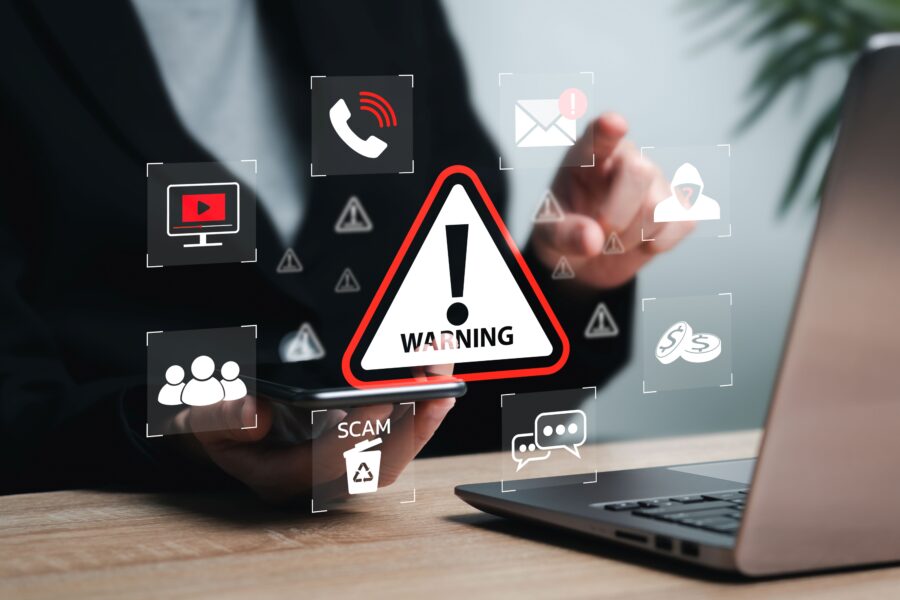
There are so many scams out there, across many different mediums, text, phone, email, social media, websites and in person. They also cover a range of areas, such as gambling, phishing, relationship, investment, identify, donation scams and many more. The best way to protect yourself is to be aware of the latest scams.
We have collated a list of some recent scams from www.scamwatch.com.au to help you be aware and help protect yourself. Please note, the following is not an exhaustive list, it is just some scams to watch out for, there are many more.
Latest scam alerts
Food delivery scam
Scammers are targeting people who use food delivery platforms, including restaurants, customers and delivery workers. They may pretend to be DoorDash, Uber Eats, a restaurant or a customer.
You may be contacted about an order, refund, cancellation, account issue or payment problem. They may ask for a one-time code, login details, your mobile number or bank information. They use these details to take over accounts, change payment settings or redirect money. Scammers may claim they can see your order but demand you provide additional details or payment outside the app in order to process it.
Australian Taxation Office (ATO) and MyGov impersonation scams
Scammers are sending fake ‘tax refund’ and ‘urgent payment’ messages by text and email. These may look like they’re from the ATO and can include links, QR codes, threats, or refund offers.
If something feels off, don’t click links or reply. Always check by logging on to MyGov or the official ATO website. Never share passwords, PINs, one-time passcodes or sensitive information.
Job recruitment scams
Criminals are impersonating well-known companies like Amazon and YouTube. They pose as recruiters offering well-paid, flexible, task-based work from home opportunities.
The selling points of the jobs on offer include, a high salary, remote work, flexible working hours or days and free job training.
The message will claim that there are only 20 or 25 positions available creating a sense of urgency.
Some roles are advertised as ‘e-commerce assistant’ while others are described as optimising product listings.
Once you respond expressing your interest, you are directed to an encrypted WhatsApp chat for further information.
You will complete sets of tasks, set up a cryptocurrency account, and may be paid a small sum of money to build your trust. Then, to unlock the next set of tasks and earn your commission you will be told to ‘top up’ your account with your own money. Once you pay this money, you will never get it back.
Community activities malware scam
Scammers are creating fake social media groups for ‘free’ activities like Tai Chi, dancing, walking or hiking. Once you join, the scammers may message or call, asking you to download an app designed to steal your personal or banking info.
Always be cautious when asked to download an app or attachment from an online group or ad, as it may be malicious. If you suspect that you have downloaded suspicious malware, disconnect your device from the internet, and restart your computer.
Scammers impersonating PayPal
There are phishing scams where scammers pretend to be ‘PayPal’. You may receive a text message or email that looks like a security alert, asking you to urgently call a number to verify activity on your account.
Once on the call, the scammer may ask for personal details, such as card numbers, NetBank IDs, passwords, PINs or NetCodes. They may also ask you to install remote access apps like AnyDesk or TeamViewer on your computer or mobile device.
Fake crypto trading platforms
Scammers are promoting fake crypto asset trading platforms to people who have joined ‘share trading’ or ‘stock tips’ messaging app groups. These platforms look real and show profits and trades, but in fact, there is no real trading, and the site contains fake data. Any money deposited into these platforms goes to the scammers.
The platforms then ask for fees to release assets. These fees also go straight to the scammers and no assets are released.
Scammers initially target victims through social media advertisements and posts claiming to offer trading tips on equities. Victims are then invited to messaging apps promising to share recommendations from well-known figures or experts, who the scammers impersonate.
Branch appointment scams
There has been an increase in scammers contacting customers while pretending to be from banks. Scammers may claim there is suspicious or fraudulent activity on a customer’s account and offer to help by booking a branch appointment through the real bank website. Once the appointment is booked, the customer receives what looks to be a bank confirmation text message. Scammers use this text message to make the call appear trustworthy. After gaining the customer’s trust, scammers may ask for card details or ask the customer to approve a notification in their banking app, claiming it is needed to ‘stop’ a transaction.
Watch out for mobile fraud
Criminals are committing fraud by taking control of mobile phone numbers or making unauthorised changes to phone accounts. Once they gain access to your phone, they can receive verification codes, reset passwords, restrict access to your systems, and get access to a wide range of services that rely on your mobile number for security checks, including, your bank accounts, MyGov, subscription services and rewards programs.
Some people are at risk of mobile number fraud when their email account is compromised. Mobile phone fraud can also occur when scammers gain access to your ID documents or passwords through phishing attempts and following data breaches.
Personal loan scams
Scammers pose as financial service providers and loan brokers online. They create fake websites, post ads on social media platforms and contact people directly offering personal loans.
You may be asked to pay an upfront fee for ‘payment protection’ insurance or ‘loan establishment’ fees to secure the loan. They will not allow the amount to be deducted from the loan. Instead, they will require payment in full before any loan funds are released. They say this payment will be refunded after 3 months.
These scammers may impersonate existing Australian credit licence and financial service licence holders. They may even fraudulently quote ABN registration and credit licence information from ASIC to appear genuine.
More details on these and many other scams are available at www.scamwatch.gov.au/ and www.commbank.com.au/
How to Protect Yourself
STOP. CHECK. PROTECT.
STOP – Always take a moment before giving your money or personal information to anyone.
Scammers will create a sense of urgency to pressure you into acting quickly. Don’t rush to make decisions about money or sharing personal details.
What to do:
- Say no, hang up, or delete suspicious messages.
- Take time to think before responding to unexpected requests.
- Don’t let anyone pressure you into immediate action.
- Trust your instincts if something feels wrong.
CHECK – Make sure the person or organisation you’re dealing with is real.
Scammers pretend to be from organisations you know and trust. Always verify who you’re really dealing with before taking any action.
What to do:
- Contact the organisation directly using phone numbers or email addresses you find on their official website or app.
- Research investment opportunities or offers through official sources like ASIC.
- Get a second opinion from family, friends, or professionals.
PROTECT – Act quickly if something feels wrong.
The sooner you act, the better you can protect yourself and others from scammers.
What to do:
- Contact your bank immediately if you think your money has been stolen or you’ve shared financial details.
- Contact IDCARE (www.idcare.org or call 1800 595 160) if you want support to recover — they can help you create a plan to limit the damage of scams.
- Report to ScamWatch (www.scamwatch.gov.au) to help protect others.
- Report to police (www.cyber.gov.au).
- Change passwords and security details if you think they’ve been compromised.
- Monitor your bank statements and credit reports for unusual activity.
- Report the scam to the impersonated organisation and platform where the scam is happening.
- Being scammed can feel overwhelming. Support is available at Lifeline on 13 11 14 or Beyond Blue on 1300 22 4636.
More information
Visit www.scamwatch.gov.au for more information on scams, who to contact if you are scammed and much more. ScamWatch even has a quiz to test how well you know scams – https://www.scamwatch.gov.au/research-and-resources/quiz-test-your-scam-sense
Sources:
https://www.scamwatch.gov.au/about-us/news-and-alerts
https://www.commbank.com.au/support/security/latest-scams-and-security-alerts.html