






Top 10 Travel Destinations for 2026
Are you are planning your next big adventure, and maybe overwhelmed by the sheer number of choices? We have curated a list of travel destinations that balances the classic with the undiscovered. These destinations champion eco-tourism, offer profound cultural experiences, and boast some of the most stunning scenery on the planet.
Here are the top 10 travel destinations you need to visit in 2026.
Albania: The Balkan Riviera
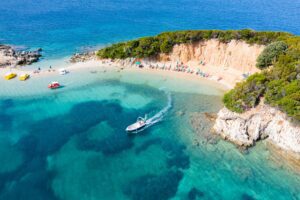
Ksamil Beaches, Albania.
Often overshadowed by its neighbours, Greece and Croatia, Albania is finally stepping into the spotlight. It offers the same crystal-clear Mediterranean waters and rugged mountains but without the crowds and premium price tags.
Why go in 2026?
Infrastructure improvements have made the country more accessible than ever, yet it retains a wild, unspoiled charm. The Albanian Riviera is the main draw, with beaches like Ksamil offering Maldives-like waters.
However, the real magic lies inland. Explore the ancient city of Gjirokastër, a UNESCO World Heritage site known as the “City of Stone.” For hikers, the Accursed Mountains offer trails that rival the Alps. Albania is incredibly affordable, making it perfect for travellers who want luxury experiences on a modest budget.
Hokkaido, Japan
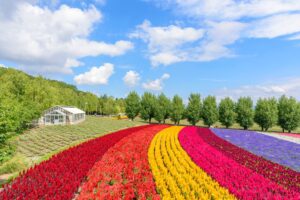
Nakafurano flower farm, Hokkaido, Japan
While Tokyo and Kyoto remain perennial favourites, 2026 sees a shift north to Hokkaido. This wild island is Japan’s frontier, celebrated for its indigenous Ainu culture, world-class powder snow, and dramatic volcanic landscapes.
A year-round destination
Most know Hokkaido for Niseko’s ski slopes, but its green season is equally spectacular. In summer, the flower fields of Furano turn the hills into carpets of lavender and poppies.
Japan has been pushing sustainable tourism initiatives in this region. You can now stay in eco-lodges that work directly with local Ainu communities to preserve their heritage. Visit the Upopoy National Ainu Museum and Park to understand the deep history of the land before soaking in a natural onsen (hot spring) surrounded by forests.
Namibia: The soul of the desert

Sand dunes, Namib Desert
The stark, otherworldly beauty of the Namib Desert offers a profound sense of isolation that is becoming increasingly rare.
Conservation success
Namibia is a global leader in conservation. It was the first African country to incorporate environmental protection into its constitution. In 2026, new community-run conservancies are opening, allowing visitors to track desert-adapted elephants and lions while ensuring tourism revenue goes directly to local people.
The skeleton coast remains one of the most hauntingly beautiful places on earth. Climbing the towering red dunes of Sossusvlei at sunrise is a bucket-list experience that justifies the long journey. It is the ultimate destination for photographers and silence-seekers.
The Azores, Portugal

Sao Miguel Island, Azores, Portugal
Located in the middle of the Atlantic, this archipelago of nine volcanic islands is often called the “Hawaii of Europe.” The Azores have quietly become a beacon for sustainable adventure travel.
Nature in overdrive
This is not a destination for lounging by a pool. The Azores are for canyoning down waterfalls, hiking into dormant volcano craters, and whale watching in one of the world’s largest whale sanctuaries.
Sao Miguel is the largest island, famous for the twin lakes of Sete Cidades—one blue, one green. But in 2026, try venturing to Flores or Corvo for an even more remote experience. The local government has capped tourism numbers in sensitive areas to protect the ecosystem, ensuring your visit remains peaceful and low impact.

Busan, South Korea
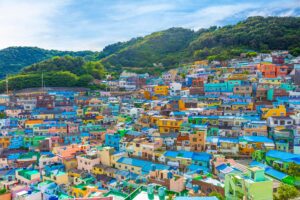
Gamcheon Culture Village,Busan, South Korea
While Seoul captures the frantic energy of K-Pop and neon lights, Busan offers a more laid-back, maritime vibe. As South Korea’s second-largest city, it is a fascinating blend of ancient temples, rugged coastlines, and futuristic skyscrapers.
Culture and coastline
Busan is gaining international recognition for its film festival and vibrant arts scene. The Gamcheon Culture Village, a hillside shantytown transformed into an artistic hub with colourful murals and galleries, is must-see.
In 2026, the city completes several major green urban projects, making it incredibly walkable. Start your morning at the Haedong Yonggungsa Temple, perched dramatically on a cliff by the sea, and end it eating fresh seafood at the sprawling Jagalchi Market.
Costa Rica: Beyond the beach
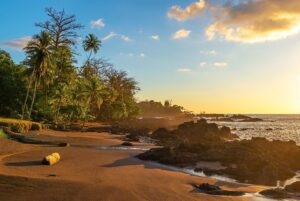
Osa Peninsula, Costa Rica
Costa Rica is hardly a secret, but the way travellers are experiencing it is changing. The focus has shifted from the popular beaches of Guanacaste to the dense, mist-covered cloud forests and remote Caribbean coast.
The rise of regenerative travel
Costa Rica practically invented eco-tourism. Now, they are pioneering “regenerative travel”—leaving a place better than you found it.
Head to the Osa Peninsula in 2026. It holds 2.5% of the world’s biodiversity in a tiny area. Here, luxury means sleeping in an open-air lodge listening to howler monkeys, not air conditioning and room service. It is intense, humid, and utterly life-affirming.
Uzbekistan: The Silk Road reborn
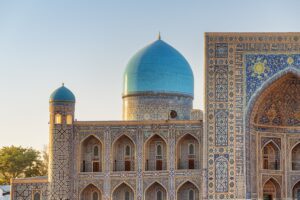
Samarkand, Uzbekistan
Uzbekistan has relaxed its visa policies significantly, opening the doors to one of history’s most significant trade routes. This Central Asian gem is safe, welcoming, and architecturally stunning.
Architectural wonders
The cities of Samarkand, Bukhara, and Khiva are living museums. You will walk among madrasas covered in intricate blue tiles and turquoise domes that have stood for centuries.
The high-speed train network now connects these major historic hubs, making travel easy and comfortable. Beyond the history, the hospitality is legendary. Expect to be invited for tea and plov (a rice and meat dish) by friendly locals eager to practice their English. It is a cultural immersion that feels like stepping back in time.
Western Australia, The Coral Coast
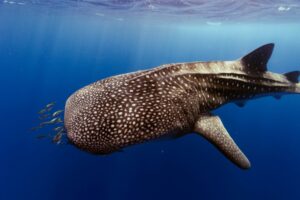
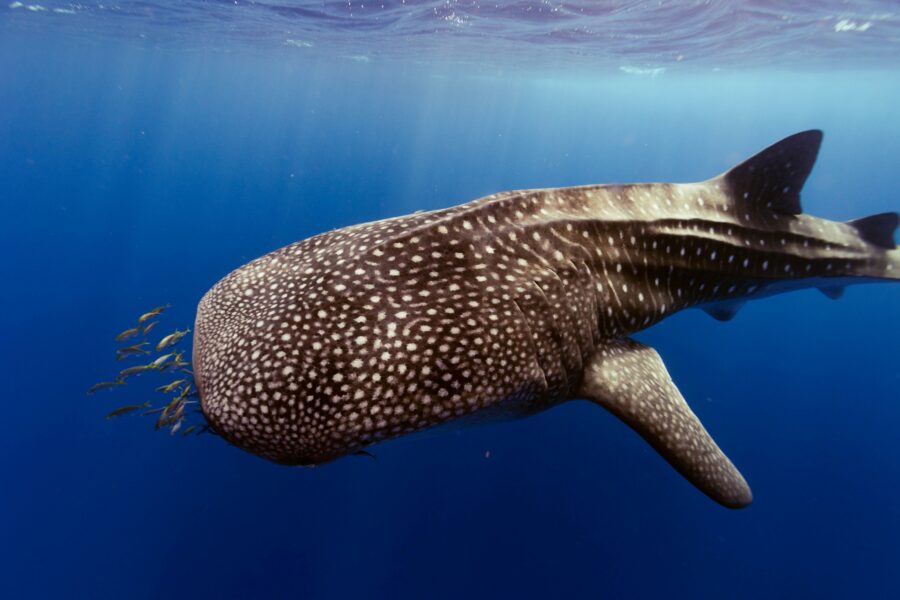
Whale Shark, Ningaloo Reef, Western Australia
When people think of Australia, they think of the East Coast. But the West is where the true wilderness lives. The Coral Coast specifically offers an interaction with marine life that is unmatched globally.
Swimming with giants
Ningaloo Reef is the star here. Unlike the Great Barrier Reef, Ningaloo is accessible right from the beach. In 2026, sustainable swim-with-whale-shark tours are highly regulated to protect the animals, offering an ethical way to get close to these gentle giants.
The contrast of the red dirt of the outback meeting the turquoise Indian Ocean is visually arresting. It requires a sense of adventure to drive these vast distances, but the reward is empty beaches and nights under the Milky Way.
Slovenia: The green heart of Europe
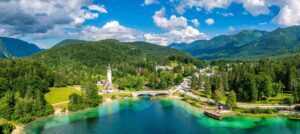
Bohinj Lake in Julian Alps, Slovenia.
Slovenia is tiny, but it packs a punch. It is widely considered one of the greenest and most sustainable countries in the world.
Culinary and outdoor excellence
Ljubljana, the capital, is pedestrian-friendly and full of green spaces. But you should head to the Julian Alps. Lake Bled is famous, but Lake Bohinj is wilder and less crowded.
Slovenia was named the European Region of Gastronomy recently, and the momentum continues into 2026. The focus is on farm-to-table dining, with world-class chefs using ingredients foraged from the local forests. It is the perfect destination for foodies who love hiking.
Antarctica: The final frontier
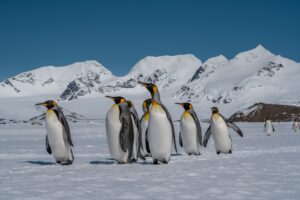
King Penguins, Antarctica
Visiting Antarctica is a privilege. As climate change reshapes the poles, seeing this frozen continent responsibly is more poignant than ever.
Expedition cruising
The era of ‘sightseeing’ Antarctica is over, and the era of ‘education’ has begun. In 2026, operators are focusing heavily on citizen science. You aren’t just a passenger; you are helping collect water samples or count penguin populations.
New ships launching this year are hybrid-electric, significantly reducing noise and emissions. This silence allows for closer, less intrusive encounters with wildlife. It is an expensive trip, but standing among thousands of King Penguins on South Georgia or watching icebergs the size of cathedrals drift by is a transformative experience.
The travel landscape for 2026 is defined by purpose. Whether it’s the community conservancies of Namibia, the regenerative jungles of Costa Rica, or the cultural revival in Uzbekistan, these destinations offer more than just a photo opportunity. They offer a chance to engage with the world meaningfully.
As you plan your 2026 itinerary, consider not just where you want to go, but how you want to travel. The world is waiting to be explored responsibly.
Travel tips:
- Check Visa Requirements: Rules change frequently. Ensure your passport has at least six months of validity.
- Book Early for Eco-Lodges: Sustainable accommodation often has fewer rooms and fills up months in advance.
- Research Local Customs: Especially for destinations like Uzbekistan and Japan, knowing a few etiquette rules goes a long way.