






The Ultimate Guide to Natural Therapies Part I
Long before modern medicine, people relied on nature for healing. Using plants, touch, and energy work to maintain wellness and treat illness. While conventional medicine has made incredible strides in treating acute conditions and emergencies, there remains a deep, enduring wisdom in these traditional practices.
Natural therapies, often referred to as complementary or alternative medicine, focus on treating the whole person rather than just the symptoms of a disease. This holistic approach considers the physical, emotional, and spiritual aspects of health, aiming to restore balance and support the body’s innate ability to heal itself.
In recent years, people are increasingly seeking ways to manage stress, chronic pain, and overall well-being without relying solely on medication. Whether you are looking to alleviate specific ailments or simply want to enhance your vitality, understanding the diverse landscape of natural therapies is the first step.
This guide explores some of the most popular and effective natural therapies available today. We will examine their origins, how they work, and the potential benefits they offer, empowering you to make informed decisions about your health journey.
Understanding the holistic approach
The core philosophy underlying most natural therapies is holism. Unlike the reductionist view often found in Western medicine—which tends to look at the body as a collection of separate parts—holism views the individual as an integrated system.
When a practitioner approaches health holistically, they aren’t just looking at your sore back or your headache. They are looking at your diet, your sleep patterns, your emotional state, and your environment. The belief is that an imbalance in one area inevitably affects the others. For instance, chronic stress (emotional) can manifest as tension headaches (physical) or digestive issues.
By addressing the root cause of the imbalance rather than just suppressing the symptom, natural therapies aim for long-term health and prevention. This preventative aspect is crucial; the goal is to build a robust foundation of health that wards off illness before it takes hold.
Herbal medicine
Herbal medicine, also known as phytotherapy, is perhaps the oldest form of healthcare known to humanity. It involves using plants—roots, leaves, berries, and flowers—to promote healing and wellbeing.
Plants contain complex chemical compounds that can interact with the human body. Unlike synthetic drugs, which often isolate a single active ingredient, herbal remedies use the whole plant or specific parts of it. Proponents argue that the synergistic effect of the various compounds in a plant is what makes herbal medicine effective and often gentler than pharmaceutical alternatives.
Key benefits
- Digestive health: Herbs like peppermint, ginger, and chamomile are widely used to soothe upset stomachs, reduce bloating, and improve digestion.
- Stress and anxiety: Adaptogenic herbs like Ashwagandha and Rhodiola are believed to help the body resist stressors of all kinds, while valerian root and lemon balm are often used for relaxation.
- Immune support: Echinacea and elderberry are popular choices for boosting the immune system, particularly during cold and flu season.
It is important to note that “natural” does not always mean “safe” in every context. Herbs can be potent and interact with prescription medications. Consulting with a qualified medical herbalist is essential to ensure safety and efficacy.
Acupuncture
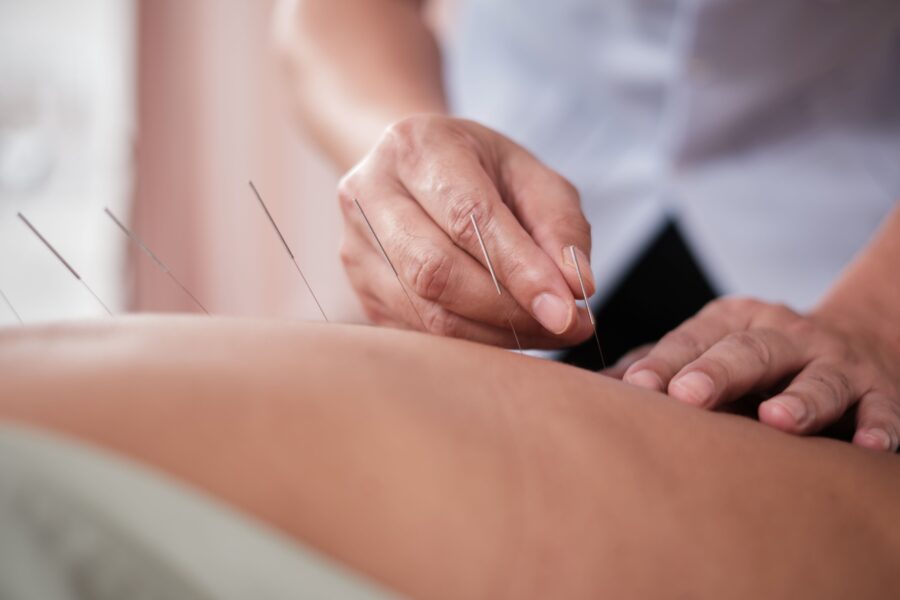
Originating in ancient China over 2,500 years ago, acupuncture is a key component of Traditional Chinese Medicine (TCM). It is based on the concept of Qi (pronounced “chee”), a vital energy that flows through the body along pathways called meridians.
According to TCM theory, illness arises when the flow of Qi becomes blocked or unbalanced. Acupuncture involves inserting very thin, sterile needles into specific points on the body (acupoints) along these meridians. The stimulation of these points is believed to unblock the Qi and restore balance.
From a Western scientific perspective, acupuncture is thought to stimulate the nervous system, releasing chemicals into the muscles, spinal cord, and brain. These biochemical changes may stimulate the body’s natural healing abilities and promote physical and emotional well-being.
Common uses
- Pain Management: This is the most well-researched application of acupuncture. It is frequently used for chronic back pain, neck pain, osteoarthritis, and migraines.
- Nausea: Acupuncture has proven effective in reducing nausea and vomiting associated with chemotherapy and post-operative recovery.
- Women’s Health: Many women find relief from menstrual cramps and menopausal symptoms through regular treatment.
Naturopathy
Naturopathy is a distinct primary health care system that emphasises prevention, treatment, and optimal health by using therapeutic methods and substances that encourage individuals’ self-healing process.
Core principles
Naturopaths operate on six fundamental principles:
- The Healing Power of Nature: Trusting the body’s inherent wisdom to heal itself.
- Identify and Treat the Causes: Look beyond symptoms to the underlying cause.
- First Do No Harm: Utilising the most natural, least invasive and least toxic therapies.
- Doctor as Teacher: Educating patients in the steps to achieving and maintaining health.
- Treat the Whole Person: Viewing the body as an integrated whole.
- Prevention: Focusing on overall health, wellness and disease prevention.
A visit to a naturopath often involves a lengthy consultation where they take a detailed health history. Treatment plans are highly individualised and may include dietary changes, lifestyle counselling, herbal medicine, and nutritional supplementation. Naturopathy is particularly beneficial for chronic conditions such as fatigue, allergies, and hormonal imbalances, where lifestyle factors play a significant role.
Chiropractic care
Chiropractic care focuses on the diagnosis and treatment of neuromuscular disorders, with an emphasis on treatment through manual adjustment and/or manipulation of the spine.
Chiropractors believe that structural problems in the spinal column can affect the nervous system function. Since the nervous system controls every cell and organ in your body, keeping the spine aligned is seen as vital for maintaining good health.
Therapeutic benefits
- Back and neck pain: This is the bread and butter of chiropractic care. Spinal manipulation can significantly reduce pain and improve mobility.
- Headaches: Tension headaches and headaches originating from the neck are often responsive to chiropractic adjustments.
- Posture improvement: Regular adjustments, combined with exercises, can help correct poor posture, which is increasingly common in our sedentary, screen-focused lives.

Aromatherapy
Aromatherapy is the use of aromatic plant extracts and essential oils for healing and cosmetic purposes. It is a form of herbal medicine but focuses specifically on the volatile oils found in plants.
When you inhale an essential oil, scent molecules travel from the olfactory nerves directly to the brain and especially impact the amygdala, the emotional centre of the brain. This is why certain smells can instantly trigger a memory or change your mood. Essential oils can also be absorbed through the skin during massage or in a bath.
Aromatherapy is often used as a complementary therapy alongside massage, acupuncture, or standard medical treatments to help manage stress and anxiety.
Popular essential oils
- Lavender: Renowned for its ability to induce relaxation and improve sleep quality.
- Peppermint: invigorates the mind and can help alleviate headaches and nausea.
- Eucalyptus: Often used to clear airways during a cold or congestion.
- Tea Tree: Known for its antimicrobial properties, often used topically for skin conditions (when properly diluted).
Reflexology
Reflexology involves applying pressure to specific points on the feet, hands, and ears. It is based on the theory that these body parts are connected to certain organs and body systems.
Reflexologists use foot charts to guide them as they apply pressure to specific areas. For example, the toes are said to correspond to the head and neck, while the ball of the foot connects to the chest and heart. By massaging these specific points, practitioners aim to effect physical changes in the corresponding area of the body.
Why try it?
- Deep Relaxation: Reflexology is incredibly soothing and can help interrupt the stress response.
- Circulation: The manipulation of the feet stimulates blood flow.
- Nerve Stimulation: It helps to keep the neural pathways clear and functioning optimally.
While scientific evidence for reflexology treating specific medical conditions is mixed, the consensus is that it is a safe, relaxing therapy that can effectively reduce anxiety and pain perception.
Next month we will bring you part two of The Ultimate Guide to Natural Therapies. We will discuss massage therapy, homeopathy, meditation and Ayurvedic medicine. Along with some answers to your natural therapy frequently asked questions.