






How to Reduce Microplastics
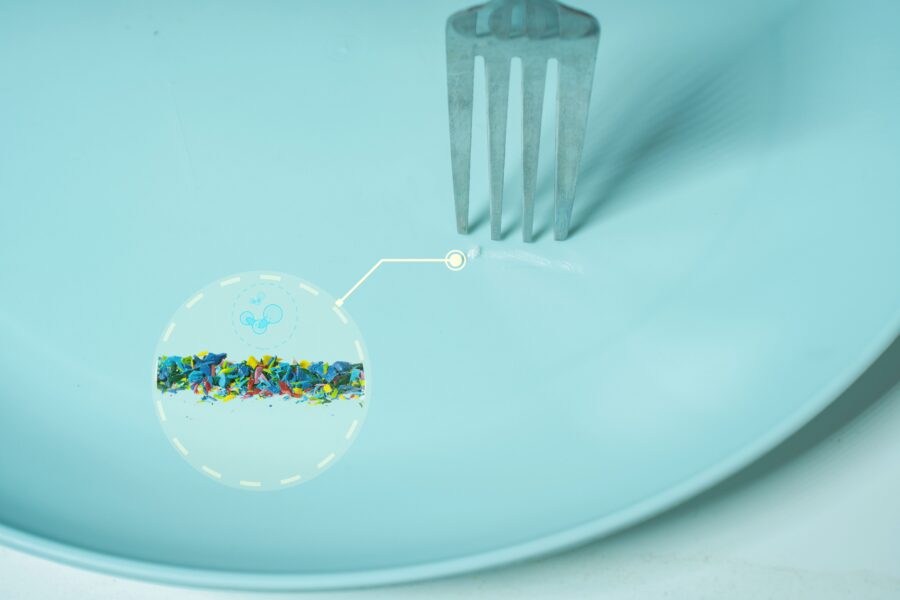
Plastic is everywhere. It wraps our food, lines our pots and pans, fills our wardrobes, and floats in our oceans. But increasingly, scientists are discovering that plastic doesn’t just surround us — it’s inside us. Microplastics (tiny plastic particles less than 5mm in size) have now been found in human blood, lungs, breast milk, and even unborn babies. Meanwhile, chemicals used to make plastics — including BPA, phthalates, and PFAS — are linked to hormonal disruption, fertility issues, and long-term health concerns.
The good news? You don’t have to live in a plastic-free bubble to make a meaningful difference. Small, practical swaps in your daily routine can significantly reduce your exposure — and lighten the load on our environment at the same time. Here’s where to start.
Ditch single-use plastics
Start with the easiest wins: swap plastic bags for reusable totes, carry a refillable water bottle, and say no to plastic straws and cutlery. These small changes alone remove hundreds of plastic items from your life each year.
Go plastic-free in the kitchen
Your kitchen is one of the biggest sources of plastic exposure. Consider these swaps:
- Cutting boards: replace plastic with bamboo or solid wood — plastic boards shed microplastics directly into your food as you cut
- Cooking utensils: choose wood, stainless steel, or silicone over plastic
- Non-stick pans: avoid scratched Teflon pans which can release PFAS chemicals. Opt for cast iron, stainless steel, or ceramic-coated cookware.
- Plastic food storage and cling wrap: swap plastic containers and wrap for glass, metal, ceramic, beeswax wraps, or aluminium foil. Pay particular attention to storing fatty or acidic foods (cheese, tomato-based sauces, citrus) — these draw chemicals out of plastic more readily than other foods.
- Sponges shed microplastics every time you scrub your dishes. Instead, use natural loofahs, biodegradable cellulose sponges, or coconut fiber/wood pulp brushes.
- Stop heating food in plastic: never microwave food in plastic containers or single-use packaging, as heat causes plastic to shed millions of tiny particles into your food. Use glass or ceramic dishes instead. The same goes for boiling water in plastic kettles.
- Change your tea and coffee routine: skip plastic tea bags and single-use coffee pods, which release billions of microplastics per cup. Switch to loose-leaf tea with a metal strainer and traditional coffee makers.
- Avoid ultra-processed foods: heavily processed foods pick up more plastic contamination during factory manufacturing and packaging touchpoints.
Be mindful of food packaging
Whenever possible, buy fresh and unpackaged. Visit farmers’ markets, choose loose fruit and vegetables, and bring your own containers to the deli or bulk food stores. Be especially wary of canned foods, which are often lined with BPA or BPA-substitute resins; choose jarred alternatives.
Replace paper cups
Paper cups can produce a lot of microplastics. They need a layer of sealant to hold liquids inside, so they often consist of up to 10% high-density polyethylene (HDPE). This can cause microplastic contamination when used for hot drinks. Swap your takeaway coffee cup with a reusable coffee cup.
Filter your tap water
Studies have found microplastics in tap water around the world, including in Australia. A quality water filter (look for ones certified to remove microplastics, such as reverse osmosis or activated carbon block filters) can dramatically reduce what you’re drinking. Avoid bottled water — it contains significantly more microplastics than filtered tap water.
Thermal paper receipts
Avoid handling cash register receipts coated with BPA and plastic chemicals.
Synthetic fragrances
Avoid perfumes, air fresheners and products containing artificial scents that carry chemical pollutants. Synthetic air fresheners can contain or release microplastics and microscopic plastic-derived or aerosolized particles. Choose essential oils for fragrance or natural air fresheners, indoor plants, instead.
Choose natural fabrics
Synthetic fabrics like polyester, nylon, and acrylic shed microplastic fibres every time they are washed. These fibres then flow through wastewater systems and into our waterways. Opt for natural fibres like cotton, linen, wool, and hemp where possible.
Adjust laundry habits
When you do wash synthetics, use cold water and a specialised washing bag (such as Guppyfriend) or a microfibre-catching filter on your machine to trap fibres before they escape. Also, air-dry synthetics instead of using a clothes dryer, which increases fibre shedding.
Check your personal care products
Many cosmetics, scrubs, and toothpastes contain microbeads — tiny plastic particles used as exfoliants. Look for “polyethylene,” “polypropylene,” or “nylon” in the ingredients list and choose natural alternatives. Also swap plastic-packaged toiletries for shampoo bars, soap bars, and products in glass or aluminium packaging.
Dust and ventilate your home
Household dust is a surprisingly significant source of microplastic exposure — it accumulates from synthetic furnishings, flooring, and electronics. Vacuum regularly (using a HEPA filter vacuum), damp-mop hard floors, and ventilate your home well. If renovating, opt for natural flooring like timber, tile, or wool carpet over synthetic options.
Buy less, choose better
The most powerful thing you can do is consume less plastic overall. Before buying anything, ask is there a plastic-free alternative? Can I buy it second hand? A more considered approach to consumption reduces your plastic footprint — and your household waste.
Eliminating plastic entirely from modern life isn’t realistic for most — but reducing your exposure significantly is. By making a few thoughtful swaps in your kitchen, wardrobe, and daily habits, you can lower your microplastic intake, reduce harmful chemical exposure, and contribute to a cleaner environment for future generations.
Start with one or two changes this week. Once they become habit, add a few more. It’s not about perfection — it’s about progress. And every piece of plastic you don’t buy, heat, or throw away is a small but genuine win for your health and our planet.
This article is for general informational purposes. For specific health concerns related to chemical exposure, consult your GP or a qualified health professional.
More information
Netflix – The Plastic Detox
60 minutes Australia – Why Scientists Are Warning Us About Everyday Plastics – https://www.youtube.com/watch?v=1peUr0FZ5D8
Sources:
https://www.cleanhub.com/blog/how-to-avoid-microplastics
https://www.earthday.org/12-common-household-plasitcs-you-should-ditch-this-plastic-free-july/